Thinking about a move to Hudson and wondering what day-to-day life actually feels like? That is usually the real question behind any relocation search. You want more than a map pin or a list of homes. You want to know how the town works, what your routine might look like, and whether Hudson fits the life you want to build. This guide walks you through the Hudson river town lifestyle, from outdoor access and downtown convenience to commuting and community events. Let’s dive in.
Why Hudson Draws Newcomers
Hudson offers something many buyers are looking for: a smaller river town feel with practical access to the Twin Cities. The city sits along the St. Croix River on Wisconsin’s western edge, about 15 minutes east of St. Paul and 30 minutes east of Minneapolis. I-94 runs through the community, which helps connect local living with regional commuting.
That balance shapes the city’s appeal. You can enjoy a riverfront setting, parks, trails, and a compact downtown while still staying connected to jobs, shopping, and services across the metro. For many newcomers, that mix is the reason Hudson stands out.
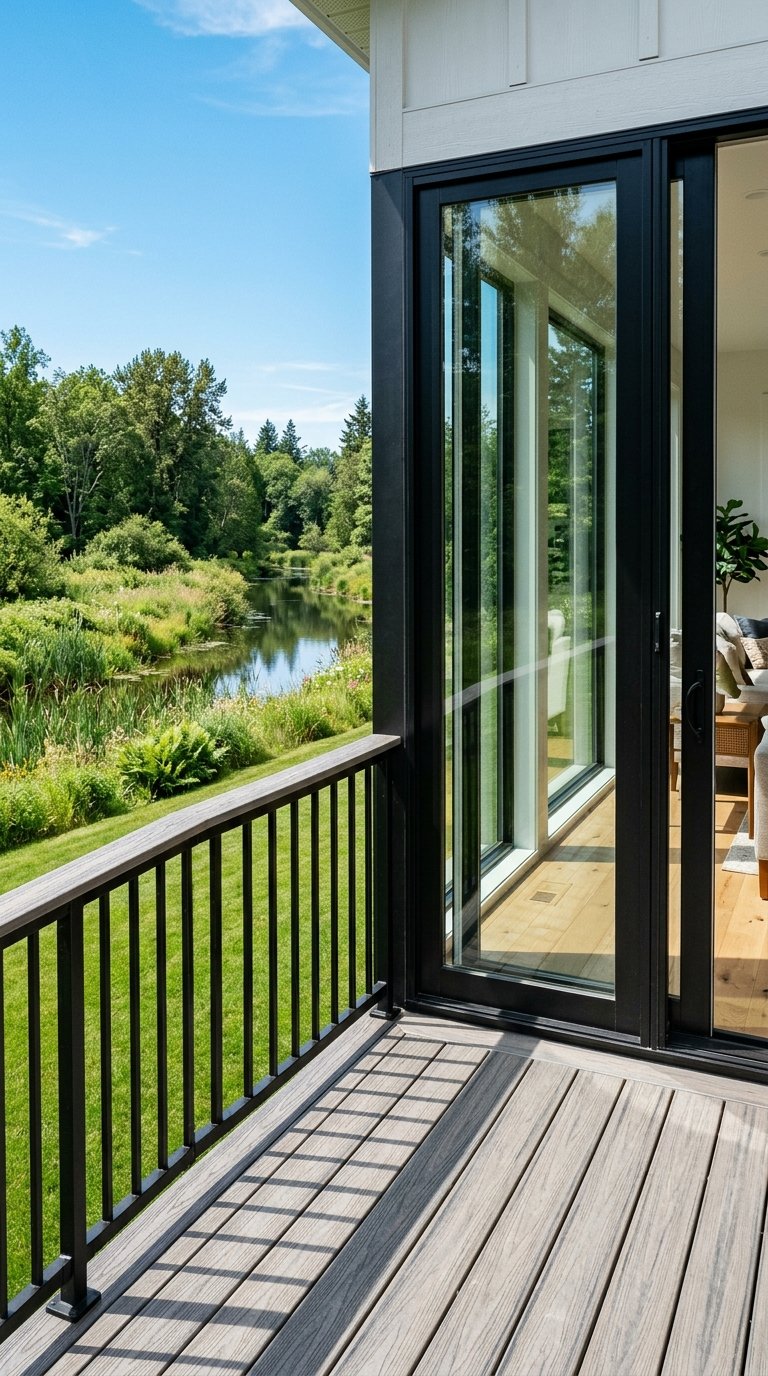
Riverfront Living in Hudson
The riverfront is one of the clearest parts of Hudson’s identity. Lakefront Park is a major gathering place and includes a beach, boat launch, paved trails, picnic shelters, a playground, sand volleyball, restrooms, swimming access, and a bandshell for summer concerts. The city also notes a public ramp on Lake Mallalieu.
If you picture yourself taking evening walks, meeting friends by the water, or spending summer weekends outdoors, this part of Hudson may feel especially appealing. The riverfront is not just scenery. It is part of how many residents use the city week to week.
Hudson also benefits from its location along the St. Croix National Scenic Riverway. The Riverway spans more than 200 miles of water, and entrance is free. That gives you easy access to one of the region’s defining natural features without needing to plan a major trip.
Parks and Trails for Everyday Use
Outdoor access in Hudson goes beyond the waterfront. The Hudson Area Chamber highlights 11 parks in the city, including Lakefront Park, Birkmose Park, and the dog park. That gives newcomers a range of options for walking, relaxing, and getting outside close to home.
Willow River State Park is one of the area’s biggest outdoor draws. It offers waterfalls, hiking, biking, cross-country skiing, a swimming beach, a boat launch, rentals, fishing, and camping. Travel Wisconsin also notes more than 17 miles of hikeable trail there, which makes it a strong option if you want more than a quick neighborhood walk.
Hudson also leans into its outdoor identity through civic initiatives like Tree City and Bird City. Birding opportunities are noted along the Lakefront Park walking trail, Willow River State Park, and Trout Brook Trail. If you enjoy nature as part of your regular routine, Hudson makes that easy to build into daily life.
Downtown Hudson and Daily Convenience
For newcomers, one of the biggest lifestyle questions is whether a town is functional day to day. In Hudson, downtown is not just a visitor area. It also serves as a practical hub for everyday needs.
City Hall, the Hudson Area Public Library, and the police department are all downtown. The city also notes multiple public downtown parking lots, which helps support routine trips into the area. That matters if you want a town center you will actually use, not just admire from a distance.
Hudson describes itself as the county seat of St. Croix County and a major retail center for the area. That helps explain why the city feels active and service-oriented. For many residents, downtown is part of normal weekly life.
Dining and Local Stops
The local dining scene adds to that everyday appeal. The chamber says Hudson offers a range of restaurants and gathering spots, including wineries, breweries, fine dining, ethnic cuisine, burgers, and coffee shops. Those options are spread across Historic Downtown Hudson, the Hill, North Hudson, and nearby areas.
That variety gives you flexibility in your routine. You can keep things simple with coffee or a casual meal, or make a night out of it without leaving town. For newcomers, that can make settling in feel easier.
Hudson Neighborhood Feel by Area
Hudson’s geography creates different lifestyle pockets within the same city. The downtown retail district and Old Town residential district are located in the river valley. The Hill, along with other retail and business areas, sits on higher bluffs.
That matters when you start thinking about what kind of daily rhythm you want. A home closer to downtown or the river valley may offer easier access to riverfront spaces and a more walkable, street-level feel. Areas on the Hill or bluffs may feel more car-oriented and less tied to the riverfront parking and activity patterns.
Neither is better across the board. It really comes down to how you want your routine to look. Some buyers want to be near downtown energy and the waterfront, while others prefer a setting that feels a bit more removed from those activity zones.
Commuting From Hudson
Hudson’s commute story is centered on the road network. I-94 bisects the city, making it the main transportation spine for travel in and out of town. For many residents, that is a major part of Hudson’s value.
Census QuickFacts lists a mean travel time to work of 23.4 minutes for Hudson workers age 16 and over. That helps show why the city often appeals to people who want small-city living without giving up regular access to the broader metro area.
The Hudson Park & Ride at exit 2 adds another practical option. WisDOT says it is free, lighted, has 162 auto stalls, and supports rideshare and carpool commuting. If you work across the river or coordinate schedules with others, that can be a useful part of your routine.
What to Know About River Crossing
If your work or weekly errands take you into Minnesota, river crossing conditions matter. WisDOT says it is rehabilitating the I-94 bridges over the St. Croix River between Hudson and Lakeland, Minnesota. That means traffic flow remains an active issue to keep in mind.
This does not erase Hudson’s commuting appeal, but it does mean you should think realistically about your route and timing. If you are relocating for work, it helps to test drive likely commute patterns before choosing a home.
Community Events That Shape Local Life
One of the best ways to understand Hudson is to look at how residents use the city’s public spaces. The seasonal events calendar includes Concerts in the Park, Hudson Farmers Market on Carmichael, Hudson Booster Days, Fireworks at Lakefront Park, St. Croix RiverFest, Yellowstone Trail Heritage Day, Phipps Fest Summer Benefit Concert, and North Hudson Pepper Festival.
These events help show that Hudson’s riverfront and downtown are woven into local life. They are not just scenic backdrops. They host recurring community activities that give the city a regular rhythm through the year.
The farmers market runs on Saturdays from May through October. Concerts in the Park take place on Thursday evenings in the summer at the Lakefront Park Bandshell. For a newcomer, that means there are easy, repeatable ways to plug into the community without needing a complicated plan.
Hudson also hosts a Bird Celebration tied to International Migratory Bird Day each May. That fits with the city’s Bird City designation and adds another example of how civic identity and outdoor life connect here.
What Newcomers Often Ask Before Moving
Most people moving to Hudson want to know how the town feels beyond the listing photos. In practical terms, Hudson combines river access, active parks, a service-oriented downtown, and regional connectivity. That is the lifestyle framework many buyers are really comparing.
Another common question is school district coverage. The city lies entirely within the Hudson School District, which is helpful to know if you are narrowing your home search by district boundaries.
You may also be wondering whether Hudson feels more like a suburb or a stand-alone town. In many ways, it offers pieces of both. It has metro reach, but its riverfront setting, civic identity, and downtown activity help it keep a distinct local character.
How to Decide If Hudson Fits You
Hudson can be a strong fit if you want outdoor access built into everyday life, not reserved for occasional weekends. It can also work well if you need dependable highway access and want to stay connected to the Twin Cities while living in a smaller community.
As you explore the city, try to focus on your likely routine instead of just home features. Ask yourself where you would spend Saturday mornings, how often you would use the riverfront, whether a downtown-adjacent location matters to you, and what kind of commute pattern you can comfortably manage.
That kind of lifestyle-first thinking often leads to better long-term decisions. In a market like Hudson, even small differences in location can shape how your day-to-day life feels.
If you are thinking about a move to Hudson, working with a local team can help you compare areas, narrow your search, and match the right property to the lifestyle you want. When you are ready to talk through neighborhoods, commute patterns, or your next move across Wisconsin or Minnesota, connect with Adam Bast.
FAQs
What is daily life like in Hudson, Wisconsin for newcomers?
- Daily life in Hudson often centers on riverfront access, local parks, a practical downtown, and easy highway connections to the Twin Cities.
What outdoor activities can you enjoy in Hudson, Wisconsin?
- Hudson offers riverfront recreation, paved walking trails, beach access, boating, park spaces, birding, and nearby hiking and camping at Willow River State Park.
What is downtown Hudson, Wisconsin like for everyday living?
- Downtown Hudson functions as both a visitor area and a daily-services hub, with public buildings, parking, dining, coffee spots, and regular community activity.
What is the commute from Hudson, Wisconsin to the Twin Cities?
- Hudson is about 15 minutes east of St. Paul and 30 minutes east of Minneapolis, with I-94 serving as the main regional connection and a free park-and-ride at exit 2.
What community events help newcomers get to know Hudson, Wisconsin?
- Recurring events include Concerts in the Park, the Hudson Farmers Market, Hudson Booster Days, Fireworks at Lakefront Park, and St. Croix RiverFest.
What should homebuyers know about different areas of Hudson, Wisconsin?
- The river valley areas near downtown and Old Town tend to connect more directly to the waterfront and street-level activity, while bluff and Hill areas may feel more car-oriented.
What school district serves Hudson, Wisconsin?
- The city of Hudson lies entirely within the Hudson School District.