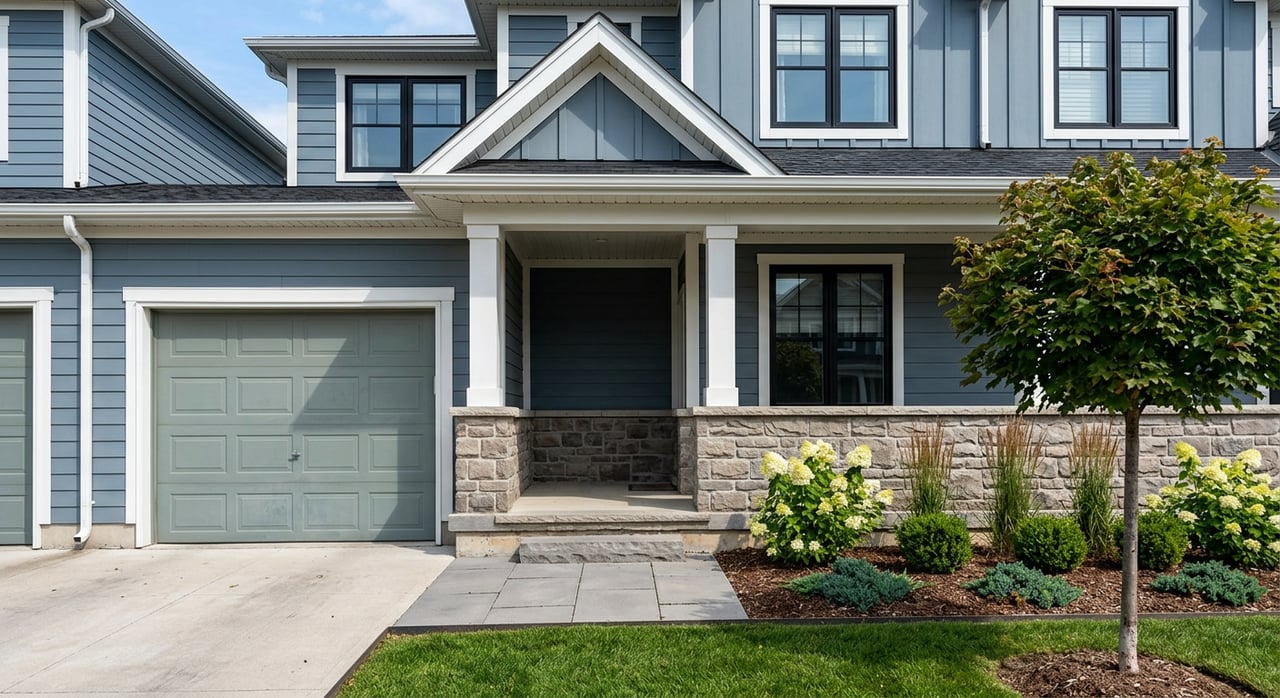
Wondering if it’s time to trade weekend chores for a lower‑maintenance lifestyle? If you’re downsizing, a busy professional, or a first‑time buyer, a Woodbury townhome might give you the space you need without the yard work you don’t. In this guide, you’ll see how prices and HOA fees stack up, what HOAs usually cover, how financing and insurance work, and where to look in Woodbury. Let’s dive in.
Why Woodbury townhomes appeal now
Woodbury continues to show strong demand. As of January 2026, the city was a seller’s market with a median sale price around $462,400 and a median time on market near 50 days, according to the local snapshot on Realtor.com’s Woodbury page. Prices change monthly, so plan to confirm current numbers with a fresh MLS check before you shop.
For downsizers, busy professionals, and many first‑time buyers, the appeal is simple. You get modern finishes at a competitive price point with less exterior upkeep. You also gain access to neighborhoods near parks, trails, and commuting routes without taking on the full maintenance of a single‑family home.
What you’ll pay: prices and fees
Recent Woodbury townhome listings show a wide range, from the mid‑$200,000s on older or smaller units to the $400k–$500k range for larger or newer homes. HOA fees commonly fall between $240 and $465 per month, based on current listings. One representative listing outlines typical inclusions like exterior maintenance, hazard insurance, lawn care, and snow removal. You can see an example of fees and inclusions in this representative townhome listing.
Here’s a quick, dated snapshot to set expectations:
| Segment | Typical examples | Source/date |
|---|---|---|
| Townhome list prices | Mid $200ks to $400k–$500k (varies by age/size) | Listing examples as of early 2026 |
| HOA fees | About $240–$465 per month, community dependent | Listing examples as of early 2026 |
| All‑home median price | $462,400 (seller’s market, ~50 DOM) | Realtor.com Woodbury, Jan 2026 |
Note: Listing prices and HOA charges change. Always verify current numbers with a local MLS snapshot and the HOA resale disclosure package.
How HOAs work in Minnesota
In most Minnesota townhome and condo communities, the association maintains common elements and the building exterior, while owners handle the inside of their unit unless the declaration says otherwise. That framework comes from Minnesota common‑interest community law, including Minn. Stat. §515B.3‑107. Associations must adopt preventative maintenance plans and budget for common elements.
In practice, many Woodbury HOAs cover some combination of exterior maintenance, shared landscaping, snow removal, trash service, and a master hazard insurance policy. Owners then carry a separate unit policy for the interior and personal property. Each community is different, so confirm the exact inclusions in writing.
City utilities and fees to note
Woodbury’s fee schedule lists townhome line items for utilities that can differ from single‑family accounts, such as stormwater and water minimum charges. Those differences show up as small, recurring line items in a monthly budget. Review the city’s current fee schedule and ask for recent utility statements when you compare properties.
Maintenance, insurance, and financing tradeoffs
Maintenance you give up and gain
- What you gain: Most townhome communities outsource exterior maintenance and year‑round lawn and snow care. That means time back for you and fewer recurring chores.
- What you give up: Monthly HOA fees, architectural controls, and less freedom to change the exterior. Associations can levy special assessments for big projects if reserves are thin. Review the budget and meeting minutes to gauge risk.
Insurance to confirm before you buy
There are two layers to check: the HOA’s master policy and your own unit policy (often an HO‑6 for condo‑style ownership). The master policy typically covers common areas and the exterior. Your HO‑6 covers interior finishes, personal property, liability, and optional loss assessment coverage. For a plain‑English overview of how condo and townhome insurance pair up, see this Forbes Advisor guide. Before you close, ask the HOA for the insurance declarations so your agent can tailor coverage.
Financing and project approval basics
Conventional lenders review the entire project, not just your unit. They check budgets, reserves, owner‑occupancy, and other factors through Fannie Mae’s project eligibility process. If a project does not meet standards or lacks documentation, your loan options can narrow. Lenders use tools like Fannie Mae’s Project Eligibility Review Service to determine eligibility. For a consumer overview, Bankrate explains why condo‑style mortgages can be tougher and why an early lender check is smart.
Practical tip: Ask your lender early whether the community is acceptable for conventional financing. If not, discuss alternatives such as FHA, VA, or portfolio loans.
Townhome vs twin home vs single‑family
Working definitions in Woodbury
- Townhome or townhouse: An attached home, often side‑by‑side or in a row. In Woodbury, townhomes may be set up as condos or as fee‑simple lots within a planned community that shares some maintenance. The legal documents decide who maintains what. Minnesota law, including §515B.3‑107, provides the baseline for common‑element upkeep.
- Twin home: A side‑by‑side pair that is often marketed locally as a low‑maintenance villa or single‑level option. Some twin homes are fee‑simple lots. Others function like townhomes under a condo or HOA structure. The deed and association declarations tell the real story.
How to tell what you’re buying
- Check the deed type: Does it say condominium or fee‑simple lot ownership?
- Read the declaration and bylaws: Who maintains the roof, siding, decks, and driveways? Are there rental or pet rules?
- Review the HOA’s budget and reserve study: Is the association saving for roofs and paving, or leaning on special assessments?
Where to find options in Woodbury
- Meridian at CityPlace. This mixed‑use area includes modern townhome product and positions you near retail, restaurants, and quick access to I‑94. Get a feel for the townhome layouts and finishes on the Meridian at CityPlace site.
- Waypointe, Copper Hills, and nearby plats. City planning agendas and staff reports list these projects with townhome and twin‑home components at various stages. For current status and locations, review the city’s planning agenda archive.
Across these communities, you’ll often see homes priced within Woodbury’s typical townhome range and HOA fees similar to the citywide examples above. Inventory and pricing shift with each release phase, so it pays to monitor new‑construction drops and resale activity.
Buyer checklist for Woodbury townhomes
Documents and rules to review
- Association declaration (CC&Rs) and bylaws.
- Current budget, reserve study, and last 12 months of meeting minutes.
- Five‑year history of special assessments and any pending projects.
- Master insurance declarations and whether the policy is all‑in or bare‑walls.
- Rental policy, pet policy, and rules on exterior changes or patios.
- City utility charges that apply to townhomes. Check the fee schedule.
Why this matters: Lenders and Fannie Mae evaluate project budgets and reserves for eligibility. You should too. If documentation is limited or reserves look thin, ask follow‑up questions before you remove contingencies.
On‑site and lifestyle checks
- Parking and guest stalls, garage depth, and storage.
- Snow removal timing and where the plows pile snow.
- Noise transfer between walls, and any quiet‑hours policies.
- Proximity to commuter routes like I‑94 and local arterials.
- Access to Woodbury’s parks, trails, and retail.
HOA questions to ask
- What does the monthly fee cover line by line? Roof, siding, lawn, snow, trash, insurance, and management.
- What are current reserves and the next large capital projects?
- Have there been special assessments in the last 3–5 years?
- Are there rental caps, pet limits, or exterior modification rules?
- What is the master insurance deductible, and can it be assessed to owners?
Is a Woodbury townhome right for you?
If you want a clean, lock‑and‑leave lifestyle, a townhome or twin home can be a great fit. You trade DIY upkeep for a predictable HOA fee and the convenience of managed exterior care. You may also find newer finishes at a given budget compared to many single‑family options. The key is to vet the HOA documents, confirm insurance and financing early, and match the community’s rules to your everyday routine.
Ready to compare specific communities, fee structures, and floor plans? Connect with Adam Bast for local, Minnesota‑and‑Wisconsin‑savvy guidance, current MLS data, and a step‑by‑step plan tailored to your move.
FAQs
What are typical Woodbury townhome prices in 2026?
- As of January 2026, many townhomes list from the mid‑$200,000s into the $400k–$500k range, while the citywide median for all homes was about $462,400 per Realtor.com’s Woodbury data.
How do HOA fees affect a Woodbury townhome budget?
- Expect roughly $240–$465 per month in many communities, which often replaces costs like lawn, snow, some exterior upkeep, and a share of hazard insurance, plus townhome‑specific city utility charges on the fee schedule.
What insurance do I need for a townhome in Woodbury?
- Most buyers pair the HOA’s master policy with an HO‑6 unit policy for interior finishes, personal property, liability, and optional loss assessment coverage; see this Forbes Advisor breakdown.
Are Woodbury townhomes eligible for conventional loans?
- Often yes, but lenders must approve the project’s budget, reserves, and other factors through Fannie Mae’s project eligibility review, so ask your lender early.
Where are new townhome communities in Woodbury?
- Meridian at CityPlace offers modern townhome options, and city planning agendas show townhome and twin‑home components in areas like Waypointe and Copper Hills; check the planning agenda archive for current status.