Looking for a home in Stillwater that lets you spend less time on upkeep and more time enjoying the riverfront, trails, and downtown? Condo and townhome living can be a smart fit if you want convenience without giving up location. The key is understanding how attached living works in Minnesota before you buy, so you can compare options with confidence. Let’s dive in.
Why attached living works in Stillwater
Stillwater offers a lifestyle that naturally pairs well with condos and townhomes. The city is known for its historic downtown, and the Main Street riverfront area is on the National Historic Register with more than 100 locally owned shops and restaurants.
That setting gives many buyers a strong reason to consider lower-maintenance housing close to the places they want to enjoy most. If your priority is being near downtown activity, river access, and outdoor recreation, attached living can be a practical option.
Stillwater’s trail network adds to that appeal. The Brown’s Creek State Trail runs 5.9 miles and connects to the St. Croix National Scenic Riverway in Stillwater, where you can enjoy activities such as boating, fishing, paddleboat tours, and shuttle services when conditions allow.
For many buyers, the draw is simple. You may want a home that feels easier to manage while keeping you close to the best parts of the area.
What condo and townhome ownership means
In Minnesota, many condos and townhomes are part of a common interest community, often called a CIC. In these communities, owners share responsibility for common areas, and the association usually handles management, collects dues, and maintains shared spaces.
Those shared spaces can include items like roofs, landscaping, hallways, and community amenities. For communities created after June 1, 1994, the Minnesota Common Interest Ownership Act generally applies unless an exemption applies.
This matters because attached living is not always one-size-fits-all. Two similar-looking townhomes can come with very different ownership responsibilities, monthly costs, and rules.
Why the declaration matters
The declaration is one of the most important documents in a Minnesota condo or townhome community. It establishes the units, common elements, and basic rules that shape how the community operates.
It can also define what you own individually versus what is shared. In practical terms, it may spell out whether the association or the owner handles certain maintenance items and whether there are restrictions on rentals, parking, pets, gardens, exterior decorations, or noise.
That is why a careful document review matters so much. The details of one community may fit your lifestyle well, while another may not.
Who handles maintenance
Under Minnesota law, unless the declaration says otherwise, the association is generally responsible for maintenance, repair, and replacement of common elements. The unit owner is generally responsible for the unit itself.
The association board must also maintain a written preventative maintenance plan and make it available to owners. The association may also have access into units when needed for association maintenance or safety-related corrections.
If you are comparing attached homes, this maintenance split is worth close attention. It affects your time, your budget, and your long-term expectations for ownership.
Costs to look at beyond monthly dues
Monthly HOA dues are important, but they are only part of the financial picture. Minnesota law requires annual budgets to include both operating expenses and replacement reserves.
That means a community should be planning not just for current bills, but also for future major repairs or replacements. When reserves are not strong enough, owners may face additional costs later.
Special assessments are another factor to watch. If the declaration permits them, they can be used for emergencies, underfunded reserves, or capital work that was not covered in the regular budget.
Questions to ask about the numbers
When you review a condo or townhome community, focus on the full cost of ownership, not just the list price. A lower monthly fee is not always the better value if the reserves are weak or major expenses are looming.
Here are a few smart questions to ask:
- What do the monthly dues cover?
- How much does the association have in reserves?
- Has there been a recent special assessment?
- Are any major projects already approved?
- Are some costs shared by all units, or only certain units?
These answers can help you compare one community to another on a more realistic basis. They also help you avoid surprises after closing.
HOA documents buyers should review
For a resale in Minnesota, the seller must provide several important association documents. These include the declaration, articles of incorporation, bylaws, rules and regulations, and a resale disclosure certificate dated within 90 days of the purchase agreement or conveyance date.
The resale disclosure certificate is especially useful because it brings many key facts into one place. It identifies the unit number and may also include garage, storage, or other auxiliary units tied to the property.
If you do not receive the required information more than 10 days before signing the purchase agreement, you may have a 10-day right to cancel after receiving it. That timeline makes it even more important to review documents early and carefully.
What the resale certificate can reveal
The resale disclosure certificate can give you a clearer picture of the community’s health and the unit’s financial obligations. It may list current annual assessments, special assessments, additional fees, extraordinary expenditures already approved, reserve balances, insurance coverage, pending lawsuits, judgments, and certain unit-condition disclosures.
It can also show whether some expenses are allocated to fewer than all units. That detail matters because not every cost is always spread evenly across the whole community.
When reviewing these materials, pay close attention to:
- Current annual assessments
- Any special assessments
- Reserve balances
- Approved major expenditures
- Insurance coverage and deductibles
- Pending litigation or judgments
- Rules on rentals, pets, parking, or exterior changes
- Total past-due assessments in the association
These documents can tell you a lot about both risk and day-to-day livability. They are one of the best tools you have for making a confident decision.
Condo vs townhome vs single-family
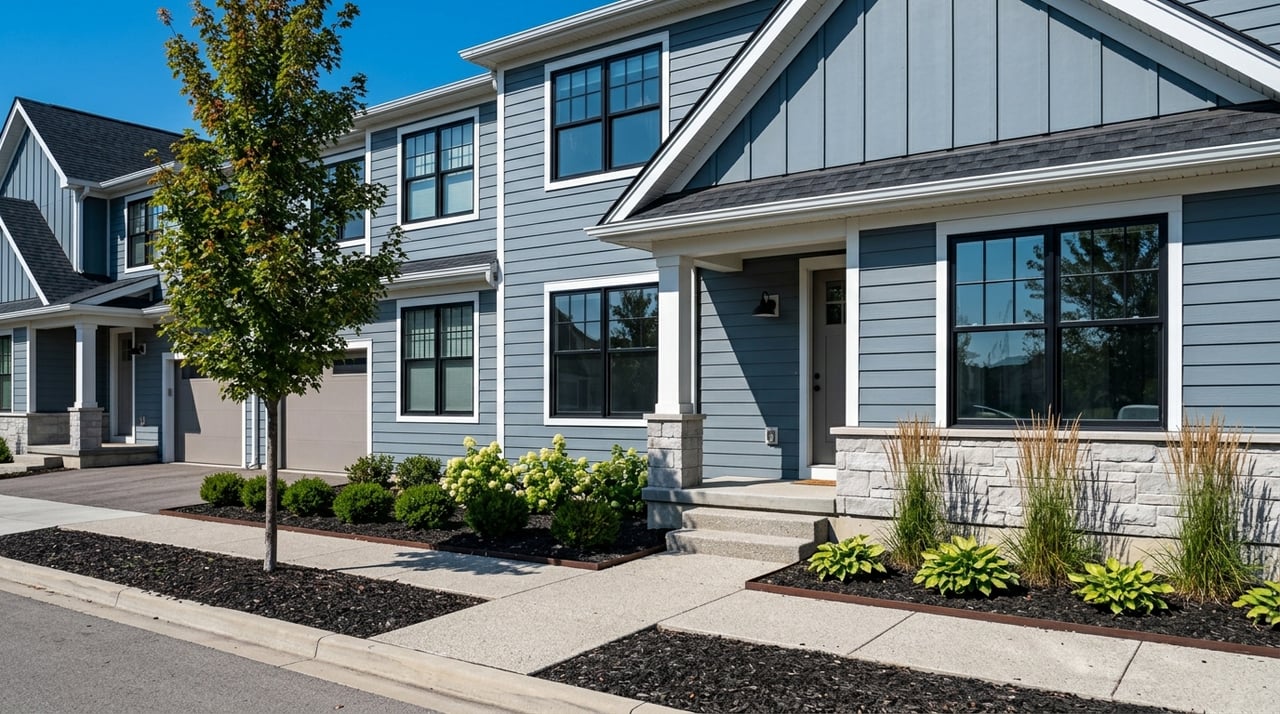
The right choice often comes down to lifestyle. In Stillwater, attached living can reduce exterior maintenance and simplify ownership, but it may also come with monthly dues, possible special assessments, and less private outdoor space than a detached home.
If you value a lock-and-leave setup, that tradeoff may feel well worth it. If you prefer more yard space, more privacy, or fewer community rules, a single-family home may be a better fit.
Stillwater makes this decision especially personal because so much of its appeal centers on location and access. Your best option depends on how strongly you value walkability, river access, and trail connectivity versus private space and flexibility.
A simple comparison
| Option | Often appeals to buyers who want | Main tradeoff to consider |
|---|---|---|
| Condo | Low exterior upkeep and close-in convenience | HOA rules, dues, and shared walls |
| Townhome | Lower-maintenance living with a bit more separation | Dues, shared responsibilities, and community restrictions |
| Single-family home | More private outdoor space and flexibility | More owner maintenance and upkeep |
This is where local guidance can help. Looking at total monthly cost, maintenance exposure, and document risk side by side can make the choice much clearer.
Homestead status and second-home planning
If you plan to make the property your primary residence, Minnesota homestead classification may matter. To qualify, you must own the property, occupy it as your sole or primary residence, and be a Minnesota resident.
Homestead status may qualify the property for a market value exclusion and other tax benefits. Because homestead classification is based on primary occupancy, a second home generally will not qualify unless it becomes your principal residence.
If you have questions about how a specific Stillwater property may be classified, confirm that directly with the county assessor. That extra step can help you plan your costs more accurately.
How to choose the right Stillwater community
The best condo or townhome for you is not just about finishes or square footage. It is about how the community’s rules, finances, and maintenance structure fit the way you actually want to live.
Start by thinking through your priorities. Do you want easy access to downtown Stillwater, the St. Croix area, and nearby trails? Are you trying to reduce exterior upkeep? Do you want a primary home, a lower-maintenance downsizing option, or a second place near the river corridor?
Then compare communities with those goals in mind. A strong search should look at the monthly budget, reserve funding, special-assessment history, insurance details, and the practical rules that shape daily life.
That kind of side-by-side review can save you time and stress. It can also help you find a home that supports your lifestyle now and still makes sense down the road.
If you are weighing condos, townhomes, or detached homes in Stillwater, working with a local team can help you compare options clearly and move forward with confidence. When you are ready to talk through your goals, connect with Adam Bast.
FAQs
What does condo ownership in Stillwater, MN usually include?
- In many Minnesota condo communities, you own your unit while the association maintains shared areas such as roofs, landscaping, hallways, or amenities, depending on the declaration.
What should buyers review before buying a townhome in Stillwater, MN?
- Buyers should review the declaration, bylaws, rules and regulations, and the resale disclosure certificate to understand dues, reserves, special assessments, insurance, and community restrictions.
Can a Stillwater, MN condo or townhome have special assessments?
- Yes. If the declaration permits them, special assessments can be used for emergencies, underfunded reserves, or unbudgeted capital work.
Do all Stillwater, MN townhomes have the same maintenance responsibilities?
- No. Maintenance responsibility can vary by community because the declaration may define different owner and association obligations.
Can a second home in Stillwater, MN qualify for homestead tax status?
- Generally no. Minnesota homestead classification is based on primary occupancy, so a second home usually does not qualify unless it becomes your principal residence.