Thinking about selling your country home near New Richmond? Rural listings shine when you pair great presentation with the right paperwork. Buyers will ask about wells, septic, driveways, and land features, so a little prep goes a long way. In this guide, you’ll get a clear plan to organize disclosures, clean up land and outbuildings, capture strong photos and aerials, and answer buyer questions with confidence. Let’s dive in.
Know your required disclosures
Wisconsin condition report (RECR)
Wisconsin sellers must complete the Real Estate Condition Report (RECR) or the Vacant Land Disclosure Report, which asks about items like wells, septic systems, storage tanks, and known defects. The law requires you to furnish the completed report to the buyer no later than 10 days after the offer is accepted. Review the statutory timing and expectations in the state’s statute on RECR delivery requirements. For practical background, many local agents rely on the Wisconsin REALTORS Association’s overview of disclosure report guidance.
Lead-based paint for pre-1978 homes
If your home was built before 1978, federal law requires you to disclose known lead-based paint information, provide the federal pamphlet, share any reports, and allow buyers a 10-day period to test. Review the requirements in the EPA’s lead-based paint disclosure rule.
Wells and potable water
The RECR asks about well defects and unsafe well water. St. Croix County encourages private well owners to test annually and keep results on file. Consider providing a recent bacteriological and nitrate test, and include any relevant arsenic or PFAS screening where appropriate. Learn more through the county’s Drinking Water Program.
Septic (POWTS) maintenance and records
Private onsite wastewater systems must be serviced or inspected at least every three years, and St. Croix County keeps maintenance records in its online system. Before listing, gather recent pump and inspection reports and make sure they are filed with the county. Start with the county’s Sanitary Program for maintenance guidance and forms.
Driveway and access permits
Access to county roads is reviewed by the St. Croix County Highway Engineering Department, and state highways require WisDOT permits. Confirm your driveway is permitted and note any permit numbers or approvals, since missing permits can slow a sale. See county details on driveway and right-of-way permits.
Floodplain, wetlands, and special well areas
Check FEMA maps to confirm flood zone status and note any local shoreland or floodplain overlays that may affect insurance or use. The FEMA Map Service Center is the primary source for flood mapping. Start with the FEMA map portal. If you are near areas with special well casing-depth requirements or other notices, review DNR resources on St. Croix County’s special well casing-depth areas.
Nearby agricultural operations
Wisconsin has a statewide livestock facility siting framework and right-to-farm protections. If large livestock operations are nearby, note them factually so buyers can evaluate. See the state’s livestock siting overview.
Prep land, driveway, and outbuildings
Access and boundaries
Grade and repair the driveway so access feels easy and safe. Clear turns and sightlines, post a visible address sign, and make any gates simple to open for showings. If access is via a private road, gather any road maintenance agreements or HOA documents. Keep your county driveway permit details handy; find guidance on county right-of-way and driveway rules.
Fields, fences, and pastures
Mow field edges and lanes so buyers can see parcel lines and usable acreage. Repair visible fence lines and gates. If you have row-crop areas or recent manure application, be ready to share that history. Use county parcel and soil maps to highlight productive and wooded sections; the county’s mapping tools are here: St. Croix County maps and GIS.
Outbuildings, barns, and sheds
Declutter and clean barns and sheds. Fix obvious hazards like broken steps, exposed wiring, or open pits. Inventory permanent structures with sizes, foundations, and electrical hookups. If a structure lacks a permit, disclose that fact and note any known inspections.
Utility and site records
Assemble a tidy folder that includes your well log, well depth/construction report, and recent water test results. Add septic pump and inspection records, your POWTS permit number and county maintenance record, and any recent site work or permits. The county provides testing resources and keeps sanitary records; see the Drinking Water Program and Sanitary Program.
Safety and old tanks
Secure any old fuel or chemical tanks and keep documentation of proper abandonment or removal. If contamination is a possibility, gather any investigation records and prepare to disclose. County sanitary and DNR pages explain disposal and closure procedures; start with the Sanitary Program.
Photos, maps, and drone aerials
Must-have listing images
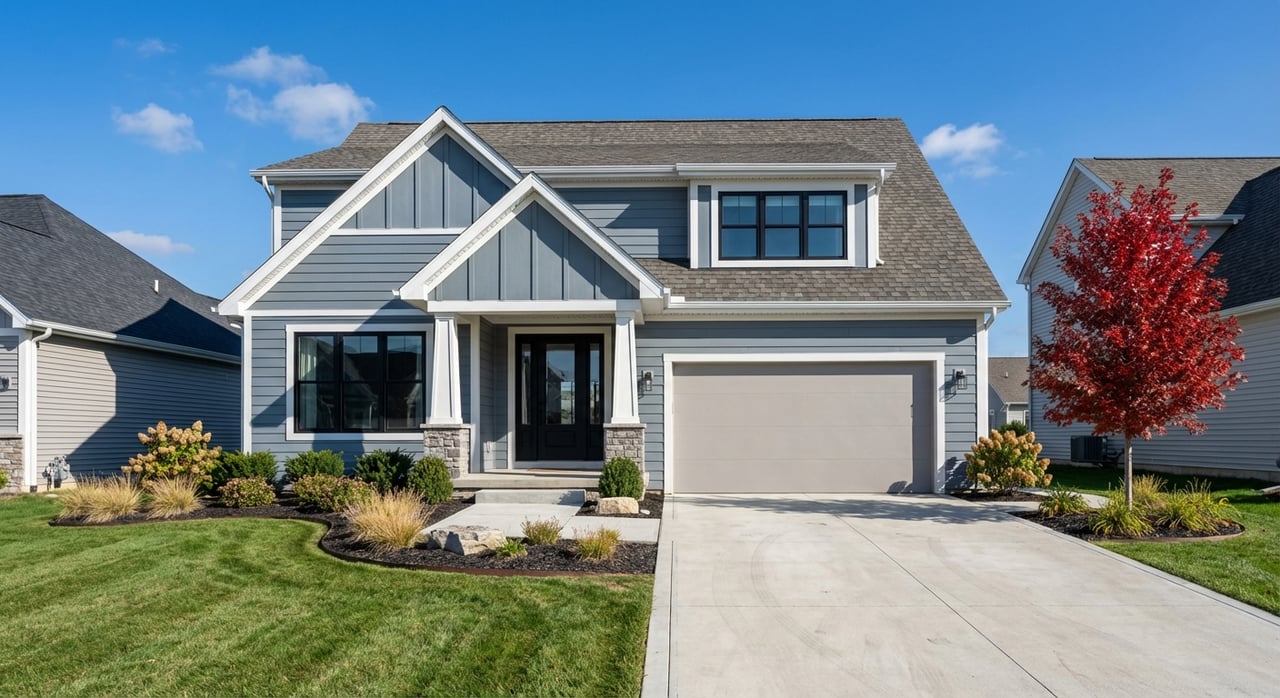
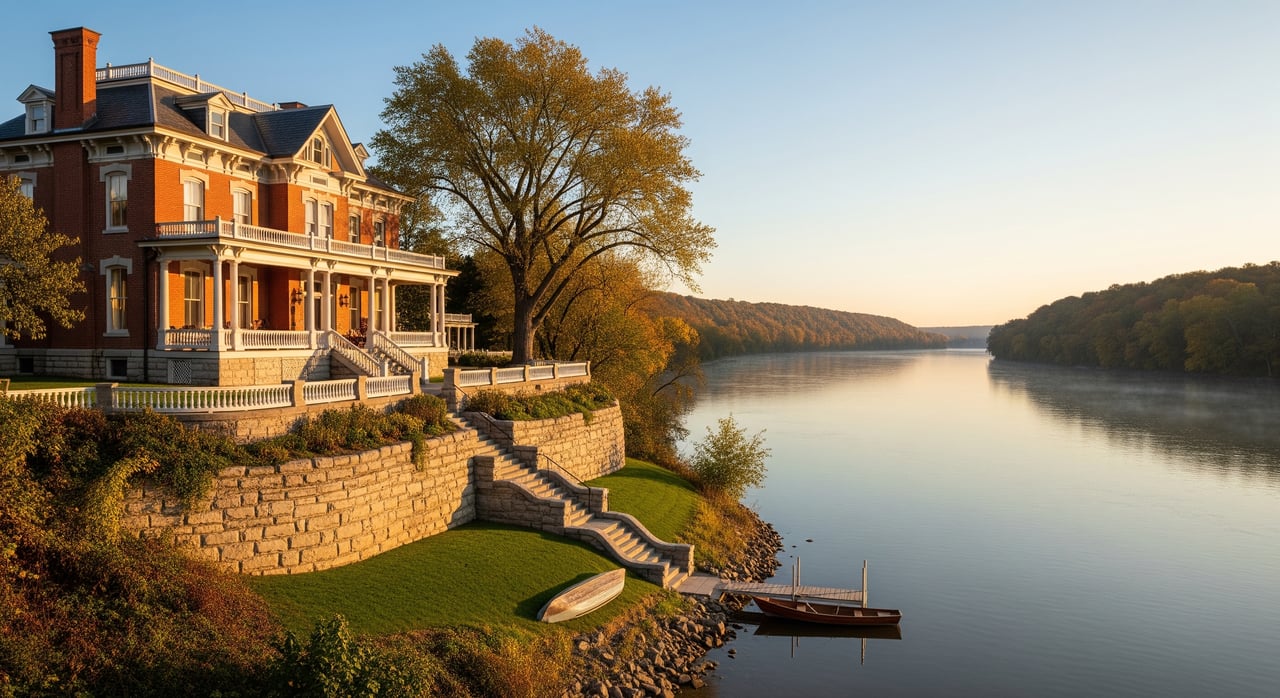
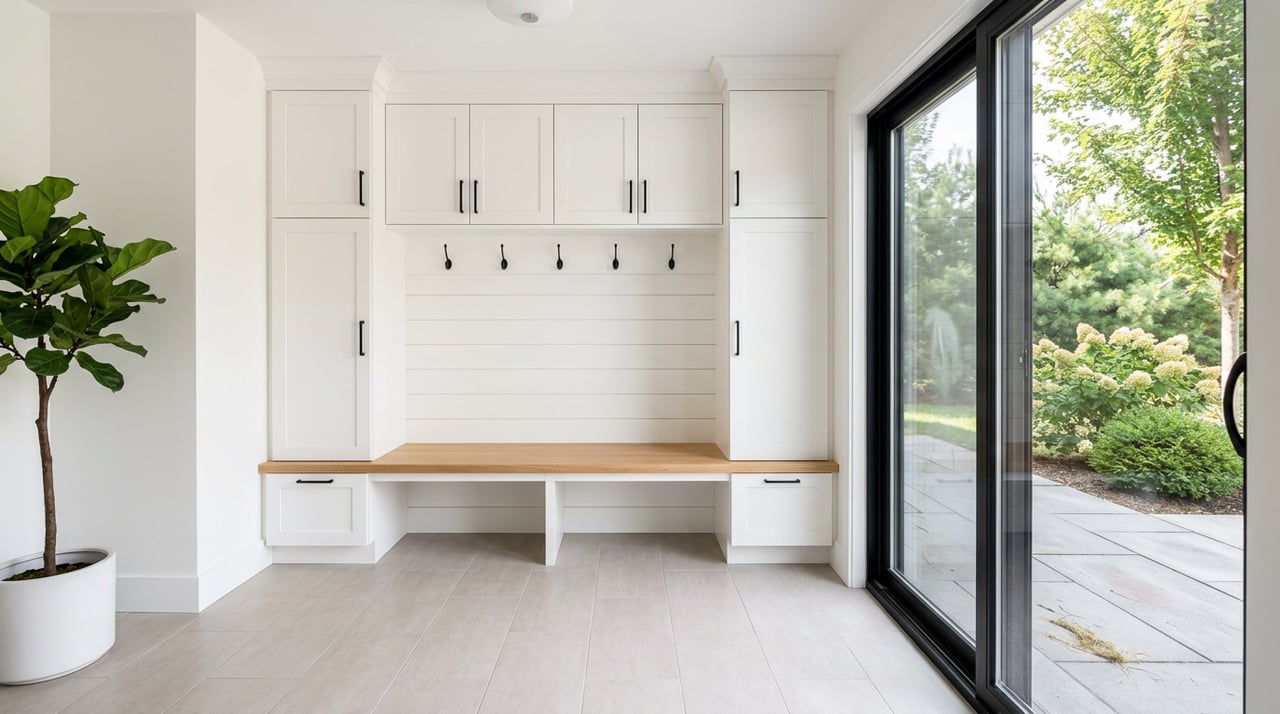
Plan for wide shots showing the full lot and driveway approach. Capture acreage, views, adjacent land uses, ponds or streams, and the condition of outbuildings. Inside, focus on main living areas, utility spaces, mudrooms, and basements so buyers see rural-living essentials. Support photos with a simple parcel overlay and a site map.
Use county maps to tell the land story
Rural buyers want to understand boundaries, access points, and where outbuildings sit. Pull a clean parcel map or overlay from the county’s GIS and include it in your brochure or online listing. The county’s mapping portal is here: Maps and GIS.
Drone rules and local airspace
Aerials are powerful for showing acreage and approach routes, but commercial flights must follow FAA Part 107 rules. Hire a certificated remote pilot and keep credentials and any airspace authorizations on file, especially if you are near airports where approvals are needed. Review FAA guidance on Part 107 regulations and how to become a drone pilot.
What buyers will ask in St. Croix County
Water and well testing
Most rural buyers request a recent bacteriological test for total coliform and E. coli, plus nitrates, and sometimes arsenic or PFAS depending on local conditions. Have your well log and any repair or abandonment records ready. Learn about testing options through the county’s Drinking Water Program.
Septic/POWTS details
Buyers will want pumping and inspection records from the last three years and your county sanitary permit or maintenance record. If your system is older, a pre-listing inspection or existing tank certification can reduce surprises. Find forms and maintenance info in the Sanitary Program.
Flood, wetlands, and drainage
Provide FEMA flood-map status and note any shoreland or floodplain overlays. If in a flood zone, expect questions about insurance and use limits. Confirm status through the FEMA Map Service Center.
Easements and road maintenance
Have copies of any utility or access easements, recorded plats or certified survey maps, and private road agreements. If there is a road association or HOA, include its cost-sharing policy. You can pull recorded documents and maps using St. Croix County GIS tools.
Ag programs and leases
If your parcel is in CRP or other conservation programs, or leased for crops, organize contracts and note how and when payments transfer. Share any program restrictions that continue with the land. County land records and NRCS/FSA map tools are referenced within the county’s GIS resources.
Nearby agricultural operations
Expect questions about proximity to livestock operations and seasonal manure application. Provide factual, neutral information and share any known local siting decisions. For background, see the state’s livestock siting framework.
Radon and indoor air
Radon testing is commonly requested in Wisconsin, especially during colder months when homes are closed. Consider a pre-listing test and keep the report available. Local public health links and testing resources are referenced in the county’s Drinking Water Program.
Your 2–4 week prep checklist
Paperwork and records
- Pull deed/CSM, parcel map, easements/ROW, and any HOA or private-road agreements using county GIS tools.
- Gather POWTS permit and maintenance records, plus the last pump/inspection reports. Upload or verify reports in the county system via the Sanitary Program.
- Order a professional well test for bacteria and nitrates, and add arsenic/PFAS if local concerns apply. Keep lab reports handy. See the Drinking Water Program.
- Prepare your RECR answers and supporting docs so they are ready for buyer review. Review the RECR timing rules.
Property prep
- Grade and repair the driveway; clear sightlines; document any driveway permits with the Highway Engineering Department’s guidance.
- Mow field edges and lanes, repair fences, and mark simple walk-lines or trails to show access to ponds, views, or build sites.
- Clean, declutter, and safety-check barns, sheds, and shop spaces. Remove junk and secure hazards.
Marketing assets
- Create a simple parcel overlay or site map using Maps and GIS and include it in your brochure.
- Schedule professional photography and, if needed, drone aerials with a Part 107 certificated pilot. Keep pilot credentials and any airspace authorizations on file per FAA guidance.
- Time exterior shoots for late spring to early fall, with golden-hour or twilight sessions to highlight land and lighting.
Ready to simplify the process and go to market with a complete, confident package? Our team lists and markets acreage and rural homes across western Wisconsin, and we’ll help you prep the land story and the paperwork buyers expect. Reach out to Adam Bast to get a tailored plan and professional marketing for your country home.
FAQs
What disclosures are required to sell a country home in Wisconsin?
- You must provide the state Real Estate Condition Report or Vacant Land Disclosure Report, with delivery due no later than 10 days after offer acceptance; see the statute on RECR timing.
What well and water tests should I provide to buyers?
- At minimum, share recent bacteriological and nitrate results, plus arsenic or PFAS if relevant locally; the county outlines options in its Drinking Water Program.
How often must my septic system be serviced in St. Croix County?
- Private onsite systems require service or inspection at least every three years, with records kept in the county system; see the Sanitary Program.
Do I need permission for my driveway or access point?
- Driveways to county roads require county review and permits, and state highways require WisDOT permits; confirm details via right-of-way and driveway guidance.
Can I use a drone to market my acreage listing?
- Yes, but commercial flights must follow FAA Part 107 rules; hire a certificated pilot and keep authorization records as advised in FAA Part 107 guidance.
How do I check if my property is in a flood zone?
- Use the FEMA Map Service Center to confirm flood status and share results with buyers along with any local overlays.
Do I have to disclose nearby farms or livestock operations?
- Disclose known nearby operations factually so buyers can evaluate; learn about the state’s siting framework through Livestock Siting.