What if your daily walk included river views, a historic Main Street, and quick access to a major metro job market? If you are weighing a move to the St. Croix corridor, Hudson gives you small-city ease with a strong community feel. In this guide, you will get a clear picture of neighborhoods, commute options, parks and recreation, schools and childcare, and everyday services so you can decide with confidence. Let’s dive in.
Hudson at a glance
Hudson sits on the Wisconsin side of the St. Croix River, right along a major east–west interstate that connects directly to Minneapolis and Saint Paul. The city centers on a walkable riverfront downtown with shops, restaurants, and parks. Surrounding that core, you will find a mix of older neighborhoods and newer subdivisions on the bluffs and plains.
You will notice a friendly pace and a resident mix that includes longtime locals, retirees, and Twin Cities commuters. As the county hub, Hudson has clinics, schools, services, and retail that support nearby towns. Seasonal tourism is part of daily life near the riverfront, especially in late spring and summer, which adds energy and some weekend traffic downtown.
Neighborhoods and housing choices
Hudson’s housing stock is varied, which makes it easier to match your wish list with a location and budget. Here is how the options break down.
Walkable downtown and historic streets
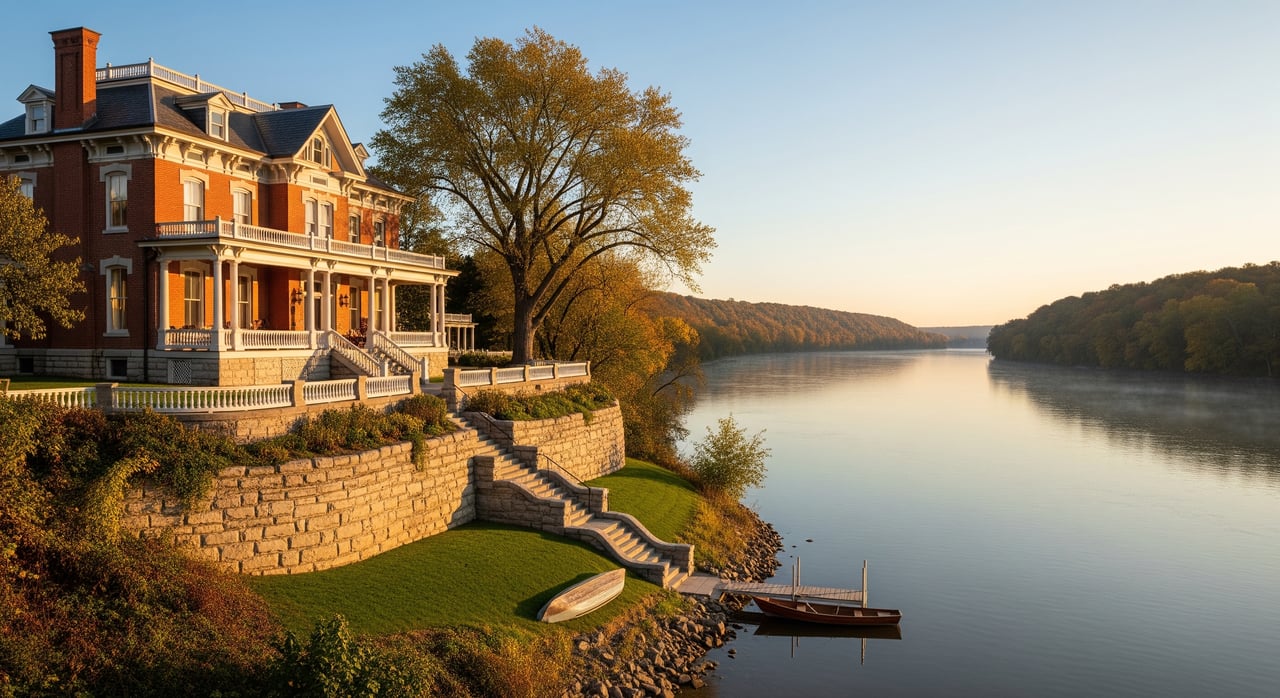
Near Main Street, you will find historic homes such as early 20th century and Victorian styles, plus some mid-century properties. These blocks appeal if you value character, walkability, and being close to parks and the river. Street activity and seasonal visitors increase in warm months, which many residents see as part of downtown’s charm.
Suburban subdivisions and new builds
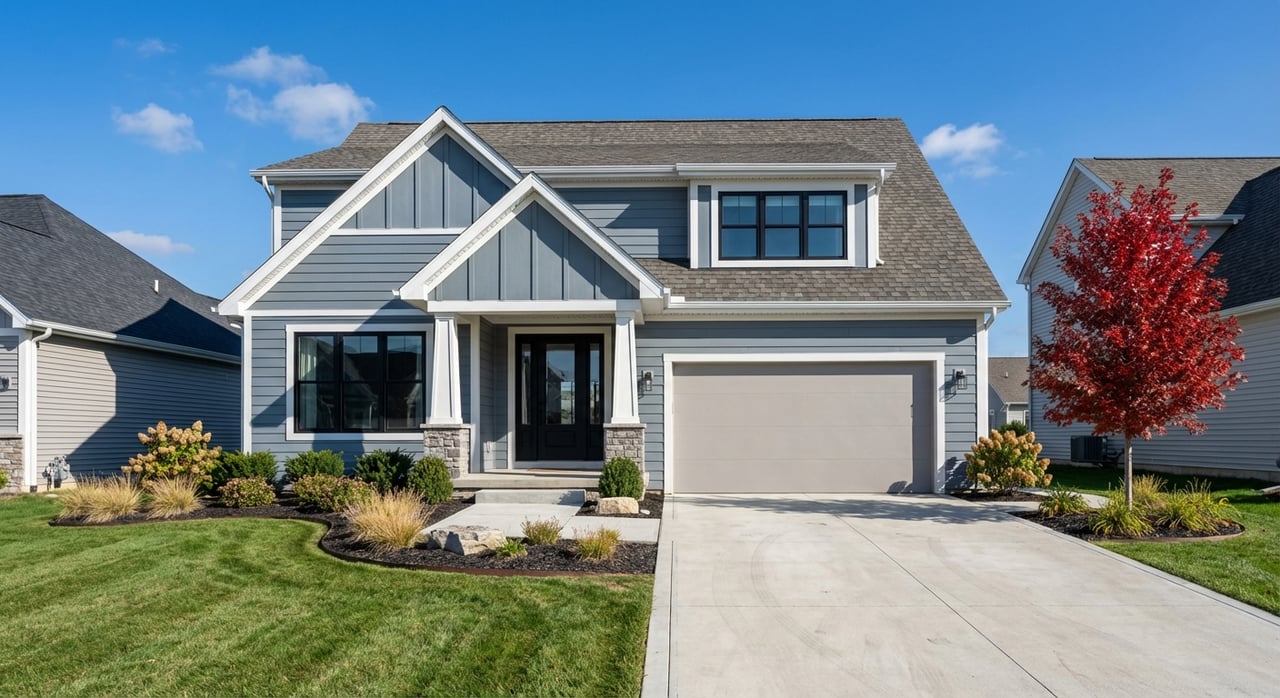
On the city’s edges, development has focused on newer single-family neighborhoods and townhouse communities. These areas typically offer modern floor plans, attached garages, and neighborhood green space. If you want an entry point that balances price and convenience, newer subdivisions farther from the river often provide more options.
Riverfront and bluff homes
Homes near the river or on wooded bluff lots are a distinct niche. Expect these to command price premiums compared with more typical neighborhoods. If you love panoramic views and quick access to boating or riverside walks, this segment may be worth prioritizing.
Renting and townhomes
Hudson includes a selection of rental homes and townhome developments, with availability that changes by season. If you are relocating and need time to learn the area, consider a short-term rental while you explore neighborhoods.
How to explore neighborhoods
- Map your top daily needs first: commute route, childcare or school proximity, park access.
- Tour at different times of day to gauge traffic and activity.
- Compare utility, property tax, and HOA costs across areas, since these affect your monthly budget.
- Walk the blocks near Main Street and drive the newer subdivisions to see what fits your lifestyle.
Cost of living realities
Hudson’s market is more expensive than many interior Wisconsin communities because it draws Twin Cities commuters and river-oriented buyers. Prices vary by location, age of home, and lot type, with riverfront and bluff properties at the top of the range. If you are searching for a starter home, you may find more options in newer subdivisions or neighborhoods farther from the river, depending on current inventory.
Property taxes include city, county, and school levies, which vary year to year. Your commute costs can also be a factor. If you drive daily to Minnesota, account for fuel, vehicle maintenance, parking, and seasonal weather impacts.
A simple budgeting approach:
- Set a total monthly target that includes mortgage, taxes, insurance, utilities, and commuting.
- Compare homes across two or three neighborhoods to see how distance from the river or age of construction influences costs.
- If you plan to buy land or build, include site prep and utility considerations in your estimates.
Schools, childcare, and family life
The public school district serves Hudson and nearby areas with elementary, middle, and high schools. Families often highlight sports, extracurriculars, and community involvement. Because school performance data changes, review Wisconsin Department of Public Instruction report cards and district updates for the most current metrics.
Childcare is available through private centers, family providers, and preschool programs. Like many smaller cities, capacity can be tight and waitlists are common. If childcare is a must-have, start inquiries early and keep a short list of providers in case your first choice is full.
For everyday family life, Hudson offers riverfront parks, neighborhood playgrounds, sports fields, library programming, and community theater. Regional and state parks within a reasonable drive expand your options for hiking, biking, camping, and winter sports. Adult learners can access community-college and university programs across western Wisconsin and the Twin Cities region.
Commuting to the Twin Cities
Many Hudson residents commute by car to jobs in the Minneapolis–Saint Paul area. The interstate provides a direct route, and drive times vary by your destination, the time you leave, and weather or construction. During peak hours, plan for additional travel time, especially around bridge crossings and metro interchanges.
Public transit options across the state line are more limited than inside the metro. Some commuters use park-and-ride lots along corridor interchanges, but most rely on driving, ride-sharing, or hybrid schedules. If you prefer transit, research up-to-date commuter services and how they connect into Minnesota’s regional networks.
Winter driving is a real factor in the Upper Midwest. Snow and ice can extend commute times for several months of the year. If your employer offers hybrid or remote work, that flexibility can make cross-border commuting easier.
Tips to test your commute:
- Drive your exact route during peak hours on a weekday to set realistic expectations.
- Check for any planned bridge maintenance or major construction that could affect reliability.
Recreation and river lifestyle
The St. Croix River shapes much of Hudson’s recreation. In warm months, you will see residents and visitors boating, kayaking, fishing, and strolling along the riverfront. Downtown parks and the boardwalk offer easy daily routines, from morning coffee walks to sunset picnics.
Beyond the river, regional and state parks support hiking, mountain biking, camping, and year-round activities like cross-country skiing and snowshoeing. Cyclists use multi-use trail networks throughout the area, which makes it easy to stay active without a long drive.
Local culture leans into small, independent restaurants, cafes, and specialty shops. Weekend demand can be strong in summer, so plan ahead for parking and dining reservations if you are hosting visitors. Autumn brings a standout foliage season. Winters are quieter downtown, with a shift toward indoor gatherings and cold-weather recreation.
Everyday amenities and services
As St. Croix County’s hub, Hudson offers practical conveniences that simplify daily life. You will find clinics and medical offices, dental care, pharmacies, grocery options, and civic services, including the library and municipal offices. Larger hospitals and specialty providers are available within a regional drive.
If you work from home, you will appreciate how easy it is to run weekday errands near Main Street or in commercial districts on the city’s edges. The mix of local services and quick interstate access makes it practical to live in Hudson while staying connected to the wider region.
Is Hudson a fit for you?
Consider Hudson if you want a river town lifestyle with metro access, a walkable downtown, and a choice of historic homes or newer subdivisions. Plan for a cost profile that reflects proximity to the Twin Cities and a strong seasonal rhythm around the riverfront. If you are moving with kids, start your school and childcare research early. If you are commuting into Minnesota, test-drive your route and factor winter conditions into your timelines.
Quick pros and tradeoffs:
- Pros: walkable riverfront, strong parks and outdoor access, regional services, direct interstate access to the Twin Cities.
- Tradeoffs: higher housing costs than many interior Wisconsin communities, busier downtown during summer tourism, limited cross-border transit options compared with in-metro service.
If Hudson feels like your kind of place, let a local team help you compare neighborhoods, weigh commute tradeoffs, and time the market. For buyer representation, listing services, new-construction guidance, acreage and land expertise, and relocation support across Wisconsin and Minnesota, reach out to Adam Bast.
FAQs
What is daily life like in Hudson, WI?
- You get a small-city feel with a walkable riverfront, seasonal events, and easy access to both local services and the Twin Cities job market.
How long is the commute from Hudson to Twin Cities jobs?
- Drive times vary by destination, time of day, and weather; test your exact route during rush hour and plan extra time for winter conditions and bridge traffic.
What types of homes are common in Hudson, WI?
- You will find historic homes near downtown, mid-century houses, newer subdivisions and townhomes on the edges, and higher-priced riverfront or bluff properties.
Are schools and childcare accessible in Hudson, WI?
- The public district serves Hudson and nearby areas, and childcare options include centers and family providers; availability and performance data change, so start research early.
What are the main recreation options in Hudson, WI?
- The St. Croix River anchors boating, kayaking, and riverside walks, while nearby parks and trails support hiking, biking, camping, and winter sports.
Is Hudson very seasonal or touristy?
- Summer brings busier riverfront activity and weekend demand downtown; autumn is popular for foliage, and winter is quieter with cold-weather recreation.