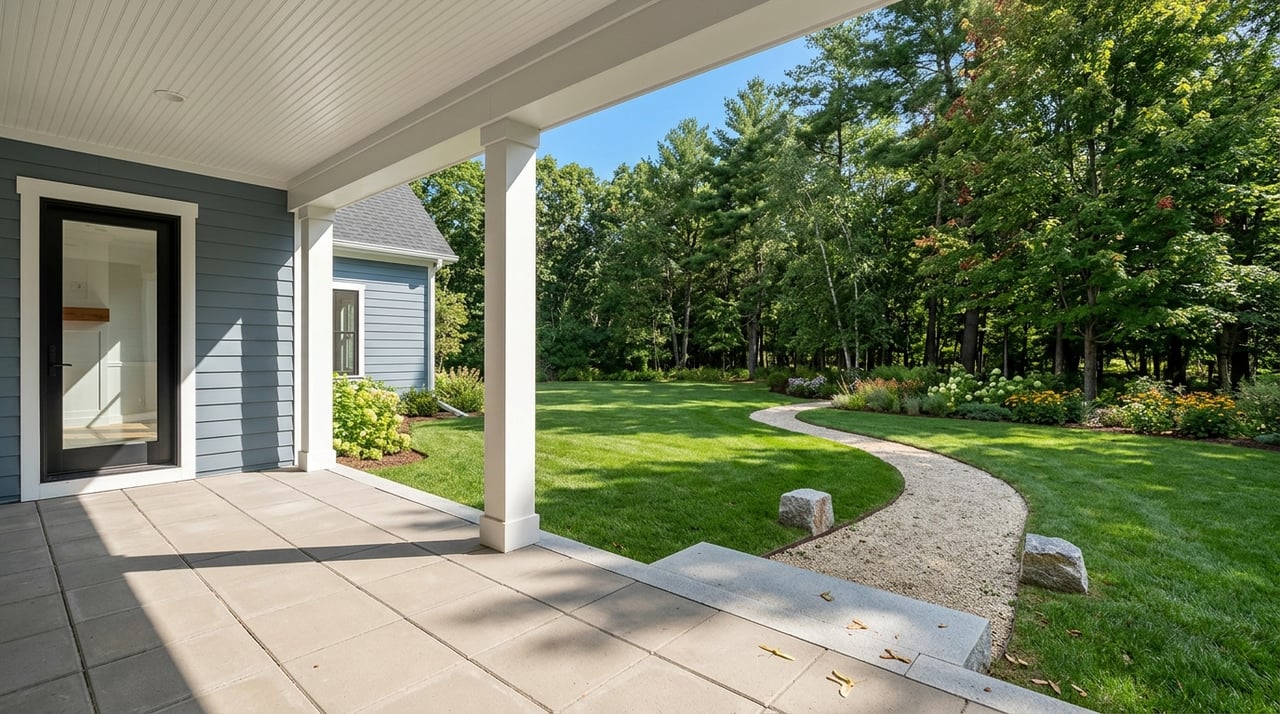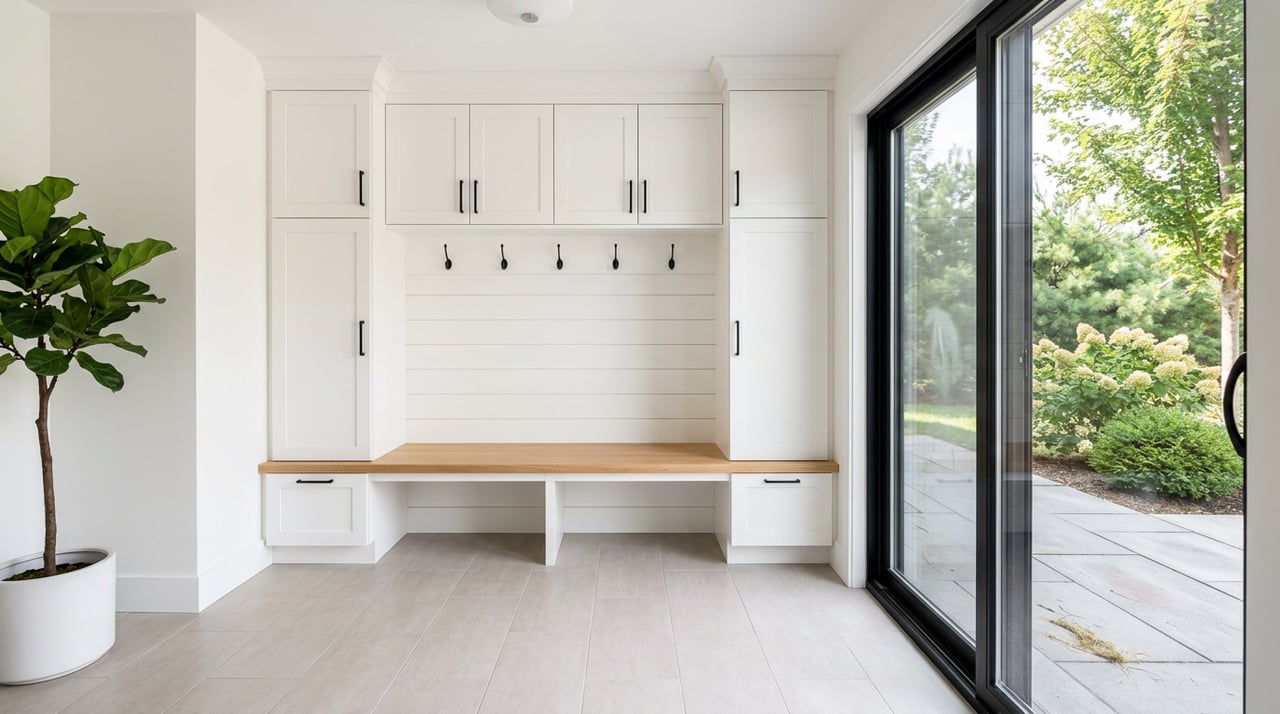
Selling your home in Hudson can feel simple at first. Put it on the market, wait for offers, and move on, right? In reality, today’s market asks more of sellers. If you want a strong result, you need the right timing, pricing, preparation, marketing, and follow-through. This step-by-step guide will walk you through what to expect so you can sell with more clarity and less stress. Let’s dive in.
Understand the Hudson market first
Before you list, it helps to know what kind of market you are stepping into. Hudson sits along the St. Croix River, just east of St. Paul and within the Twin Cities metro, with I-94 running through the community. That location can widen your buyer pool beyond local shoppers and create interest from buyers coming from Minnesota as well.
Current market snapshots point to a more price-sensitive environment than a fast-moving seller’s market. Realtor.com reported Hudson as a buyer’s market in January 2026, with 66 median days on market, 156 homes for sale, and a median listing home price of $642,400. Redfin’s February 2026 page also showed longer market times, which reinforces the same takeaway: pricing correctly matters.
Pick your target listing window
Timing can affect both attention and momentum. In Wisconsin, May through August account for about 43% of annual closings, which shows how much seasonality still shapes the market. On a national level, Realtor.com identified April 12 to 18 as the best week to list in 2026.
That does not mean every Hudson seller should list in spring. It does mean you should work backward from your ideal date. Since 53% of sellers spend one month or less getting ready to list, many homeowners underestimate how early prep should begin.
Build your selling plan early
A strong sale usually starts before the sign goes in the yard. According to NAR’s 2025 seller survey, 91% of sellers used a real estate agent, and top reasons included help with marketing, pricing, and selling within a specific timeframe. That lines up closely with what many Hudson sellers need in a market where buyers have options.
Your plan should cover a few basics upfront:
- Your ideal list date
- Your price strategy based on current local conditions
- Any repairs or touch-ups to complete
- Staging and photography prep
- Your showing schedule
- Your moving and possession timeline
Price for today’s buyers
Pricing is one of the most important steps in the entire process. In a slower market, buyers are often comparing multiple homes closely and watching value carefully. If your home is priced too high at the start, you may lose early momentum when your listing is freshest.
The best pricing conversation should focus on local comparable sales, current competition, recent days on market, and the likely buyer pool for your specific property. That matters even more in Hudson because the market includes a mix of local buyers, Twin Cities commuters, and move-up or relocation buyers. A smart price is not just about aiming high. It is about creating interest that leads to action.
Prepare your home to show well
Once pricing is mapped out, turn your attention to presentation. Buyers often form opinions quickly online, then confirm them in person. That makes prep work one of the clearest ways to improve your listing’s impact.
Staging has especially strong support behind it. In NAR’s 2025 staging survey, 83% of buyers’ agents said staging made it easier for buyers to visualize a property as a future home. The most commonly staged rooms were the living room, primary bedroom, and dining room.
Focus on the rooms that matter most
You do not always need a full-house transformation. Start with the spaces that tend to shape first impressions most:
- Living room
- Primary bedroom
- Dining room
- Entry area
- Kitchen
Clean surfaces, lighter decor, and clear walkways can help rooms feel more open and photo-ready. The goal is not to erase your home’s personality. It is to help buyers understand the space quickly.
Handle repairs before listing
Small issues can raise big questions for buyers. Loose hardware, chipped paint, worn caulk, burnt-out bulbs, and minor maintenance items can make a home feel less cared for than it is. Taking care of these details before listing can help reduce distractions during showings.
Get disclosures ready early
Wisconsin sellers of properties with one to four dwelling units generally need to complete a Real Estate Condition Report. The Wisconsin standard offer form says that report must be provided no later than 10 days after acceptance. If the buyer does not receive it in that window, they may have rescission rights within two business days after the 10-day period ends.
That is why disclosures should not wait until after you accept an offer. Gathering information early can make the transaction smoother and help you avoid last-minute stress.
Launch with a wider marketing reach
Marketing your home in Hudson should reflect where buyers may be coming from. Because Hudson is part of the Twin Cities metro and sits directly across the river from Minnesota, your listing may attract local buyers, relocating households, and cross-border commuters. That broader appeal is one of Hudson’s real strengths.
A strong launch should aim to do two things at once: make the home look its best and put it in front of the right audience fast. This is where professional marketing, MLS exposure, and broad online distribution can make a real difference.
Use open houses strategically
Open houses still have value, especially as an exposure tool. NAR notes that a consumer does not need a written agreement simply to speak with an agent at an open house. That helps explain why open houses can still bring in unrepresented shoppers who may not have scheduled a private showing yet.
In the right situation, an open house can increase awareness, generate feedback, and help build early interest around your listing.
Prepare for showings and feedback
Once your home is active, flexibility matters. Buyers may want to tour on short notice, especially during the first days on market. The easier your home is to show, the easier it is for serious buyers to see it before moving on to the next option.
Feedback also matters in a market where homes may take longer to sell. If showings are happening but offers are not, that may point to price, condition, or presentation. Reviewing early feedback can help you adjust before the listing grows stale.
Review offers with all terms in mind
An offer is about more than the sale price. In today’s negotiation environment, terms like concessions, timing, and compensation can be discussed more directly inside the offer itself. NAR explains that offers of compensation are no longer communicated on MLS platforms, while seller concessions can still be offered on MLS.
That means sellers should look at the full picture, including:
- Offered purchase price
- Financing type
- Inspection-related terms
- Requested concessions
- Proposed closing date
- Possession timing
- Any other contract contingencies
The best offer is not always the highest one on paper. The strongest offer is the one that best fits your goals and has the best chance of closing smoothly.
Stay organized from contract to closing
Once you accept an offer, the process shifts from marketing to execution. Wisconsin’s WB-12 standard offer form outlines key milestones sellers should expect. These include the closing date, earnest money handling, final settlement steps, and the buyer’s right to a pre-closing walk-through within three days before closing.
This phase moves more smoothly when you keep documents, deadlines, and repair items organized. It is also the time to stay alert for wire fraud risks. The WB-12 form specifically warns that wiring instructions should be independently verified.
Your contract-to-closing checklist
Use this simple checklist to stay on track:
- Confirm inspection timelines and any agreed repairs.
- Keep receipts or documentation for completed work.
- Review the settlement statement carefully.
- Confirm your possession and move-out timing.
- Prepare for the buyer’s final walk-through.
- Verify any wiring instructions independently.
- Make sure transfer paperwork is completed at closing.
Finish the transfer paperwork
Closing is not fully complete until the transfer documents are handled properly. The Wisconsin Department of Revenue says a Real Estate Transfer Return must be electronically filed with the county register of deeds when a conveyance is recorded.
In practical terms, that means your closing plan should include not only signing documents, but also confirming that the deed and transfer paperwork are recorded promptly.
Why a step-by-step approach matters in Hudson
Selling in Hudson is not just about putting a home online and hoping for the best. In a market with longer days on market and price-sensitive buyers, the strongest listings tend to be the ones that are prepared early, priced carefully, staged well, disclosed properly, and marketed with both local and Twin Cities reach in mind.
If you want a smoother sale, start with a clear plan and local guidance that matches today’s conditions. When you are ready to take the next step, connect with Adam Bast for local insight, proven marketing support, and a selling strategy built around your goals.
FAQs
What is the first step to selling your home in Hudson?
- The first step is understanding current Hudson market conditions and building a plan for timing, pricing, preparation, and marketing before you list.
How important is pricing when selling a home in Hudson?
- Pricing is very important because current Hudson market data points to a more price-sensitive environment with longer days on market than a fast seller’s market.
Do Wisconsin sellers need a Real Estate Condition Report?
- For most Wisconsin properties with one to four dwelling units, sellers generally must complete a Real Estate Condition Report and provide it within the timeline required by the contract.
Should you stage a home before listing in Hudson?
- Staging can help because NAR found that many buyers’ agents believe it makes it easier for buyers to visualize the property as a future home.
Can open houses still help when selling a home in Hudson?
- Yes, open houses can still help increase exposure and may attract shoppers who have not yet set up a private showing.
What should sellers review besides price when comparing offers in Hudson?
- Sellers should review the full offer, including financing, concessions, inspection terms, closing date, possession timing, and other contingencies.
What happens near closing when selling a home in Wisconsin?
- Sellers should expect final paperwork, settlement review, possible repair confirmation, a buyer walk-through within the contract timeline, and completion of transfer documents.